What Causes Frequent Uti In Cats
Once in the bladder bacteria grow and reproduce to create more bacteria and infiltrate this once sterile space. Allergies for one can cause a great deal of inflammation and lower the pets immune response.

Feline Uti Homeopet
Bacterial bladder infections in cats are relatively rare.
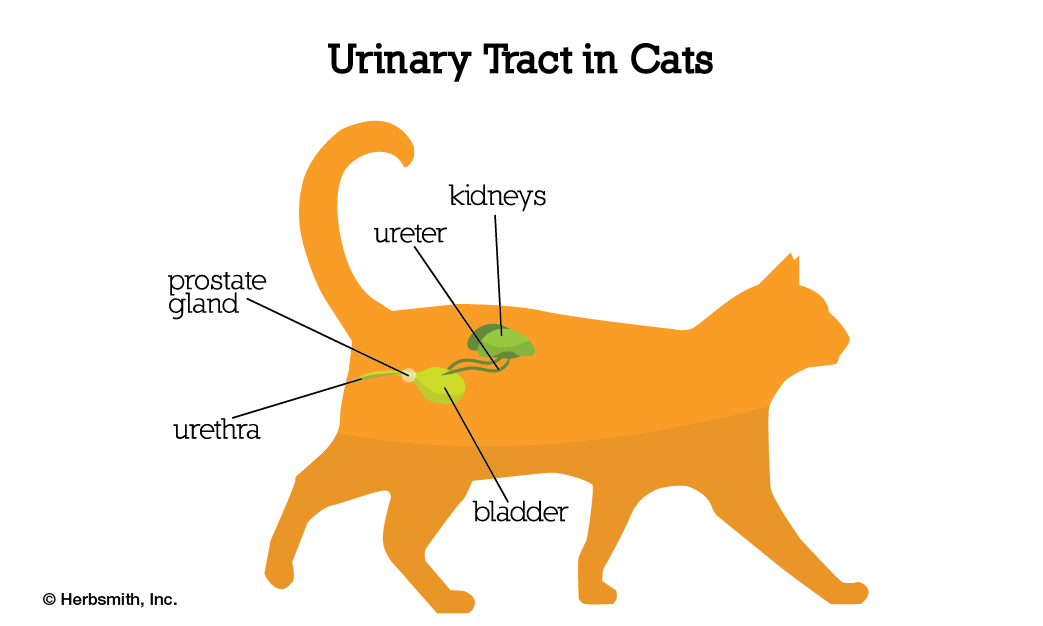
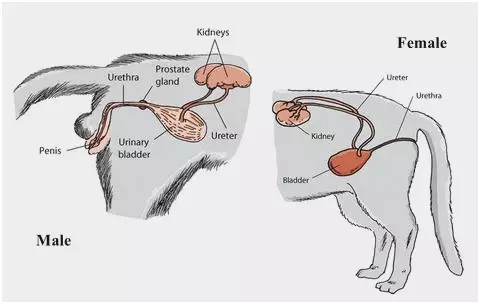
What causes frequent uti in cats. If your male cat has urinary blockage it means their urethra the tube that drains urine from the bladder to the penis and out of the body is blocked by inflammatory material. Causes of UTIs in Cats Bacteria causes urinary tract infections when it enters a cats bladder. The UTI can affect the cats urinary system bladder and urethra.
UTIs can also be brought on by a fungus or parasitic infection but these are rare cases. Cat Urinary Tract Infection FLUTD. It is unlikely the rescue deliberately misled you and far more likely the cat seemed healthy at the shelter.
That said when cats do develop urinary tract infections a UTI it is often the result of an endocrine disease such as hyperthyroidism or diabetes mellitus. Only approximately 2 of signs related to a urinary issue in a cat is actually caused by an infection that has developed in the urethra or the bladder. The risk of an infection causing these problems is considered higher among older cats.
Bloody urine can be caused by many things from stress to a change of diet causing crystals to be deposited in her urine or infection. Most cats urinate between two to four times a day. There are several common reasons for urinary tract problems in.
Development of diabetes may be hereditary andor age or weight-related. Diets too high in carbohydrates break down into sugar and can also contribute to yeast overgrowth. Causes of Urinary Infections in Cats Urinary infections in cats are also known as feline urinary tract disease or FLUTD and may be caused by a wide range of factors such as bacteria viruses tumors bladder stones abnormal pH of urine or congenital deformities.
Causes of stress can include multi-cat households abrupt changes in routine new pets and territorial disputes. Typically bacteria enters a bladder through a cats urethra which is the path urine takes from the bladder to exit the body. It is relatively rare for urinary problems in cats to be caused by an infection however.
The only way to identify which specific bacteria is causing the UTI is to grow it in a laboratory. Feline diabetes is another condition that causes frequent urination in cats. It is very important to recognize the symptoms early as.
How was the sample collected. Even though the most common organism to cause UTIs in cats is Escherichia coli the bacteria found in feces there are several other organisms that may be involved. Below is an overview of Recurrent Bladder Infections in Cats followed by in-depth information about the causes diagnosis treatment and follow-up care for this condition.
The cat may urinate small amounts often typically due to urinary tract infections or large amounts kidney disorders. On the other hand FLUTD can have a number of causes including. Disease such as diabetes and hyperthyroidism can lead to urinary tract infections in older cats Less common causes include injury to the urinary tract abnormal anatomy and tumours.
When you take your cat to the vet they may have questions about your cats symptoms to try and narrow down the cause of the problem. The number hovers around 10 percent in cats over 10 years of age. In young to middle-aged cats only one to three percent of cases of lower urinary tract disease are found to be caused by bacteria.
Although urinary tract issues are often seen in cats your cat is more likely to suffer from a urinary tract disease rather than an infection. Frequent urination is associated with urinary tract infections and kidney disorders. General Causes of Recurrent Bladder Infections Inappropriately treated urinary tract infections Inflammation in the urogenital tract.
Symptoms may include straining to urinate urinating more frequently blood in the urine and more. This type of infection can be particularly painful for your cat and symptoms can sometimes be associated with other health concerns such as kidney failure. Causes can include certain illnesses stones or crystals or even certain medications.
FLUTD may also be idiopathic so the causes are not known. Urinary blockage is a painful and life-threatening condition that typically affects male cats. UTIs in cats are rare but they are difficult to spot.
The veterinarian suspected that Tylers UTI was the result of a bacterial infection which is the most common reason for this condition. Diet is often a critical factor with cats and dogs that get chronic urinary tract infections UTIs. Urinary Tract Infections in cats also known as UTIs are caused by colonized bacteria in the urinary tract.

Diagnosing And Managing Feline Lower Urinary Tract Disease

How To Recognize Your Cat May Have A Urinary Tract Infection Blue Cross Veterinary Hospital
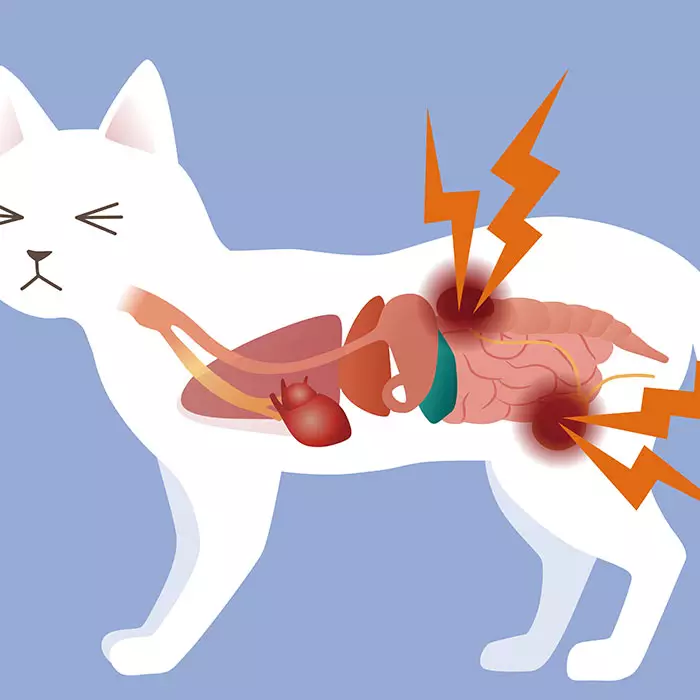
Urinary Tract Infection Uti In Cats

Diagnosing And Managing Feline Lower Urinary Tract Disease

How To Treat And Prevent Urinary Tract Infections In Cats Top 10 Home Remedies Cat Care Cat Uti Cat In Heat
Top Health Problems In Cats Csacpets


Urinary Tract Infection In Cats How To Recognize And Treat A Cat Uti Daily Paws

Maxxiutract For Cats Urinary And Bladder Supplement For Cats
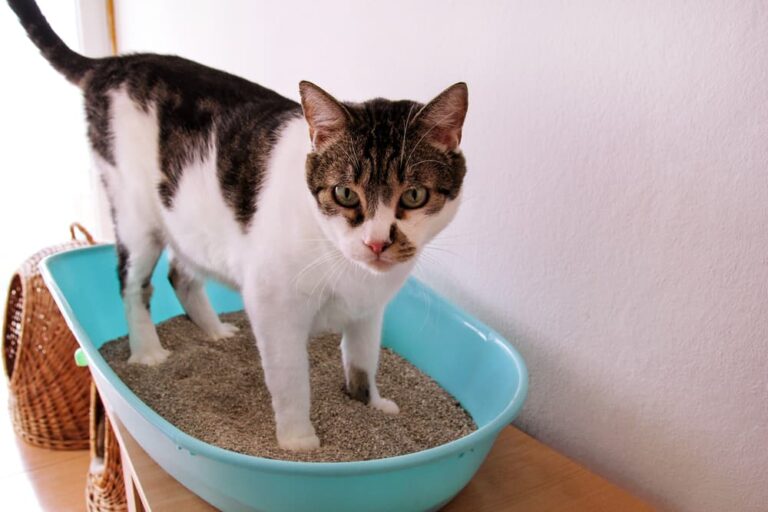
Urinary Tract Infection Uti In Cats Great Pet Care

Bye Bye Uti Holistic Treatments For Cat Urinary Health

Feline Urinary Tract Infections Symptoms Diagnosis And Treatment Petcoach
Flutd Feline Lower Urinary Tract Disease Cat Uti

3 Ways To Stop Recurring Urinary Tract Infections In Cats
Feline Idiopathic Cystitis Fic International Cat Care
How To Manage Recurrent Urinary Tract Infections Dvm360
Cat Urinary Tract Infections Utis Symptoms And Treatment

Does Your Cat Have A Urinary Tract Infection Playful Kitty
Urinary Tract Infection Uti In Cats

Utis In Cats Symptoms And Prevention Petbasics

Post a Comment for "What Causes Frequent Uti In Cats"